Looking after a leather bag that gets used
Rain, keys, a strap that has carried a week of shopping. What to do about each.
Water dries best away from heat
Wet cowhide needs room and still air. When rain catches the bag, wipe the surface with a dry cotton cloth and let it stand on its base. Keep it clear of radiators, hair dryers, and direct sunlight. Forced heat hardens top-layer hide, shrinks the collagen fibers, and leaves the grain brittle around the seams.
We test shapes on flat bases, many with metal feet that lift the bottom panel off damp counters. A wet bag should dry empty. If the lining gets damp, pull the polyester or twill pocket outward so air reaches both sides of the stitch line. Heavy soaking calls for plain paper stuffed loosely inside to hold the walls upright while the moisture evaporates.
Straps take the load over time
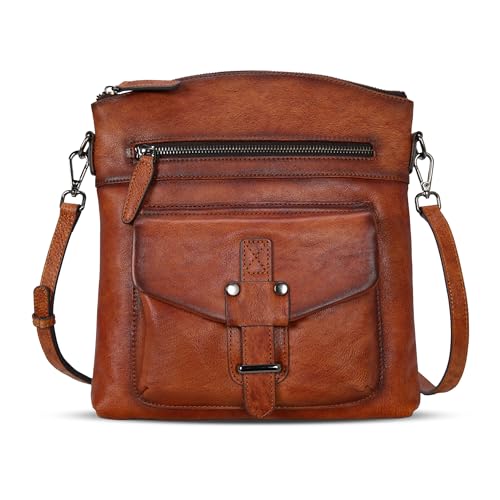
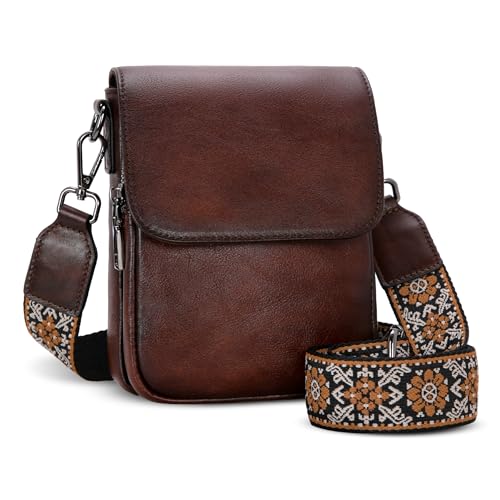
A strap carries the weight of the bag and everything inside it. Across the 39 bags we cut for daily use, detachable straps adjust through ranges like 27.55 to 51.18 inches or 42.32 to 50 inches. Constant pull stretches the punched holes. Shift the buckle by one notch occasionally to distribute the stress across different points of the leather strip.
Hardware needs checking every few months. Friction wears through the lacquer on swivel clasps and D-rings. Wipe the metal parts with a dry cloth to clear grit before it grinds into the leather loops that anchor the strap to the side gussets.
Pockets protect the inner lining
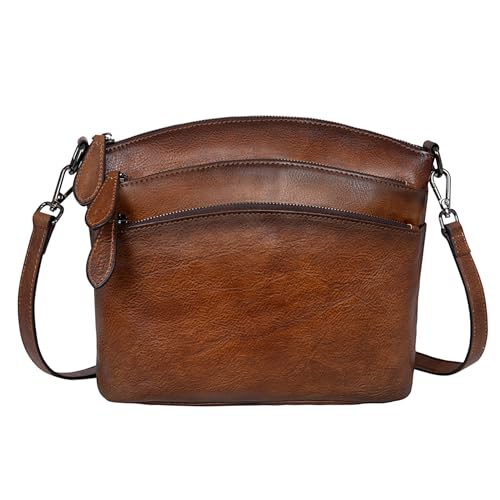
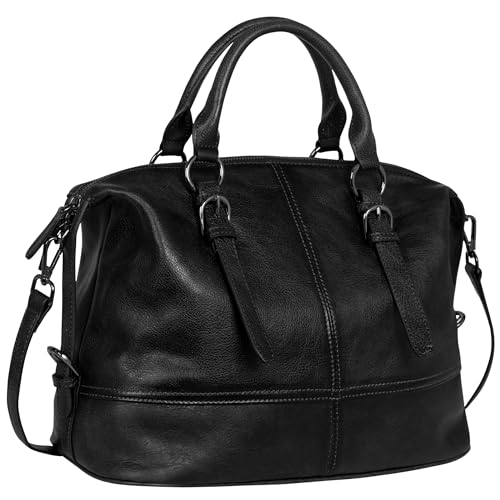
A 110 cubic inch purse measures 7.41 by 2.73 by 5.46 inches and holds a wallet, while a 717 cubic inch tote measures 13.38 by 5.7 by 9.4 inches and takes a 13 inch laptop or a tall water bottle. Using the right bag volume prevents hard corners from stretching the outer leather out of true.
- Cap all ballpoint pens before dropping them into the bag to prevent oil-based ink stains.
- Turn house keys inward or keep them inside a designated pouch away from the tablet sleeve.
- Empty loose coins and metal hairpins out of the bottom corners once a week.
- Wipe cosmetic tubes before storing them to stop oils from degrading the pocket stitching.
Conditioner belongs on clean hide only
Never apply cream or oil over road dust. Surface dirt acts like sandpaper once a cloth rubs it into the grain. Brush the panels with a soft horsehair brush, or wipe them with a barely damp cloth, then let the hide rest for ten minutes before opening a tin of conditioner.
Use a neutral leather cream sparingly. Work it in small circles with a clean rag, give the grain twenty minutes to absorb the oils, and buff it light with dry cotton. Full-grain and top-layer cowhide stay supple with two light treatments a year. Heavy coats only attract grime and clog the pores along the zipper tape.