The small bag question: phone, cards, keys and nothing else
Under a certain size a bag stops being a smaller bag and becomes a different thing.
Small bags change how you pack
We have measured 246 bags across our workshop benches, and 145 of them belong to this compact class. A large tote accepts whatever you drop inside. A small cross-body bag does the opposite. It forces you to sort what you carry before you pull the zip shut. You leave the tall water bottle and the notebook at home. You take what you need for the next four hours.
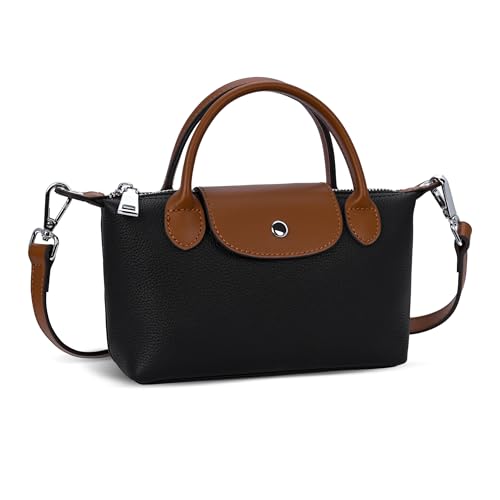
A small bag sits close against the ribs. We cut these smaller patterns from top-layer and full-grain cowhide because thin leather would buckle under tension. Top-layer hide keeps its profile even when packed tight. The lining inside takes the friction of metal keys and coin edges. If the interior volume drops below seventy cubic inches, you must choose between a phone and a thick wallet.
Four items decide the internal volume
We test every pattern against five standard carry items. The smaller frames fail the sheet of paper, the tablet, and the 13 inch laptop immediately. That is their whole purpose. They are built around the fourth and fifth items on our bench: a card case and a phone.
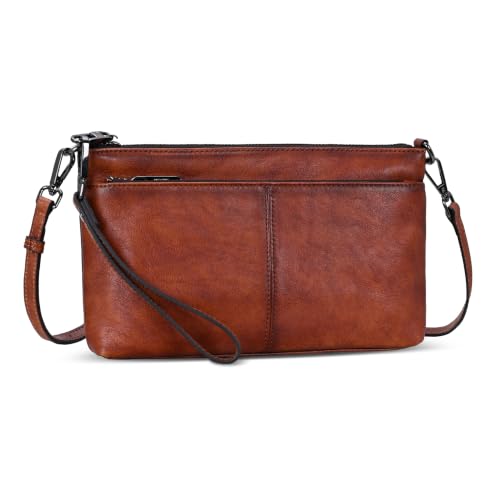
A flat bag measuring 10.02 by 1.17 by 6.15 inches yields about 72 cubic inches of interior space. It slips under an arm without bulging. But a boxier shell measuring 7.8 by 2.53 by 4.68 inches gives you 92 cubic inches instead. That extra inch of depth lets a key ring sit beside a phone rather than scratching against the glass face.
- Phones need at least seven inches of flat length to clear a zip track.
- Key fobs require base depth rather than extra height to avoid stretching seams.
- Thick card cases take up the room of two flat phones.
- Lip balm and coins fill the bottom corners where rectangular items cannot fit.
Depth matters more than bag height
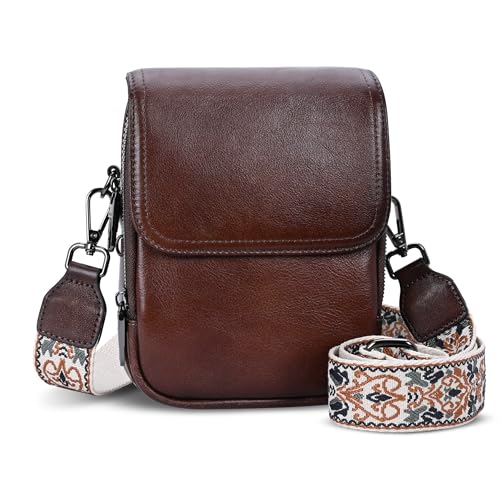
When we pattern a phone purse at 7.41 by 2.53 by 5.46 inches, the volume reaches 102 cubic inches. A taller bag with only one inch of depth holds less usable bulk. Height gives the illusion of room, but vertical stacking makes you dig past your phone to reach your house keys. Depth allows objects to sit side by side on the reinforced base.
We set metal feet on our flat-bottomed bags to keep the base leather clear of wet counters. Soft hobo shapes do not take feet, but their rounded bottoms let keys settle into the lower fold naturally. If you carry bulky car remotes, pick a bag with at least two inches of base width. Flat card purses work best when you only carry plastic and paper.
Strap drop dictates where weight falls
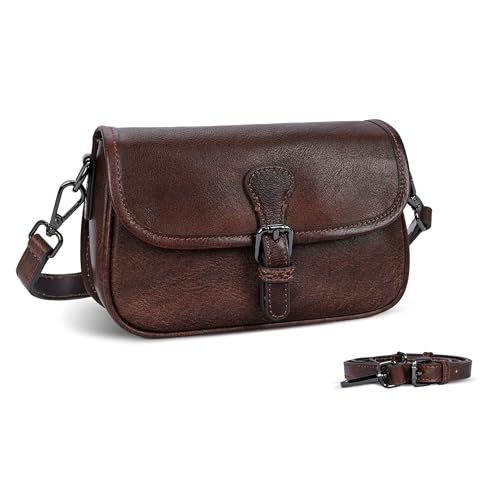
A small bag swings when you walk if the strap is too long. We punch our detachable straps across wide adjustment spans, running from 37.24 inches up to 58.2 inches on certain runs, and 40.95 to 51.48 inches on others. A shorter span like 46.02 to 49.92 inches keeps the bag resting above the hip bone. That keeps the leather from slapping against your thigh.
You can unhook the strap entirely when you need to drop the pouch inside a travel tote. The metal clips must turn freely on their eyelets. If the swivel binds, the strap twists and cuts into your collarbone. We check every clip before the piece leaves the bench. Good hardware keeps a loaded mini bag steady against your side all day.